Natural grain relief raised by abrasive. No two panels are identical, which is the point.
Sandblasted Signs
Sandblasted signs
Blasting removes the soft grain and leaves the hard, so the background falls away and your copy stands proud. It is texture, shadow and depth — all of it structural, none of it printed.
What it is
Sandblasting is what gives a sign that deep, tactile wood-grain background with letters standing above it. On cedar, the abrasive cuts away the soft spring growth and leaves the dense summer grain, producing a naturally rippled surface no router can imitate. On high-density urethane, we blast a controlled grain or stipple into the face for the same effect with none of the rot risk.
The result is a sign that works in low light and bad weather, because it is legible by shadow as much as by colour. Even when the paint has faded a little, raised copy against a textured field still reads. That is why the technique keeps showing up on bank branches, condominium entrances, farm stands and community centres around the valley.
It combines naturally with gilding and hand-painted detail. A blasted background, raised letters in a contrasting colour, and a gilded accent line is close to the highest-value sign we build — and it is what people photograph.
Materials & construction
How we build it
Controlled grain or stipple blasted into urethane — the same look, with no rot, split or moisture risk.
Copy can stand above the field or be cut into it, each producing a very different shadow at distance.
Sealed, primed and finished in stages so the texture stays sharp rather than filling with paint.
A rubber resist is cut and applied over everything that needs to stay proud of the background.
The exposed background is blasted back to the depth the design calls for — usually 1/8" to 1/4".
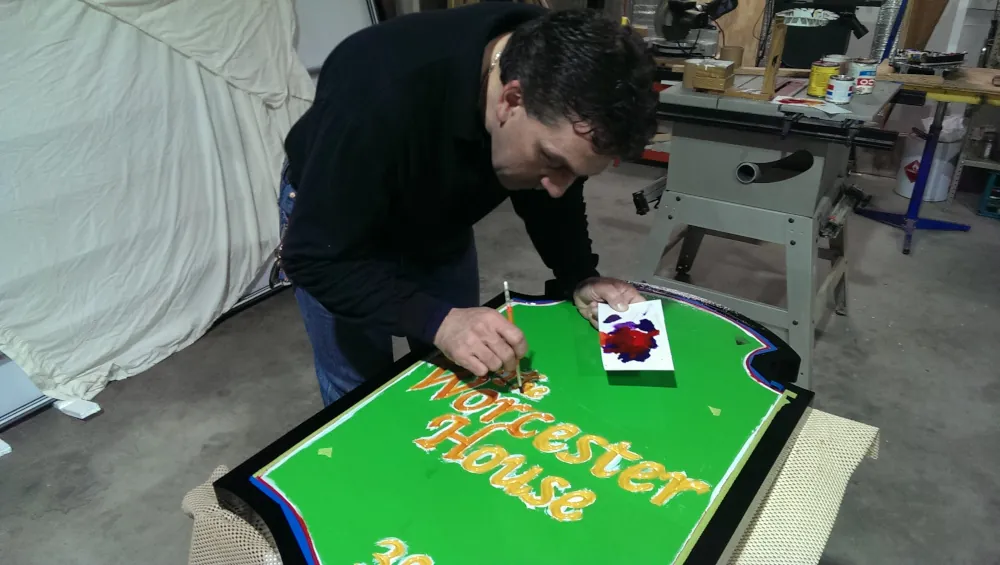
Resist removed, panel sealed and primed, then background and copy painted separately.
Gilding, accent lines and hand detail applied, then hung on posts, brackets or a wall.
Recent projects
Sandblasted Signs we have built
Real jobs, photographed where they were installed.
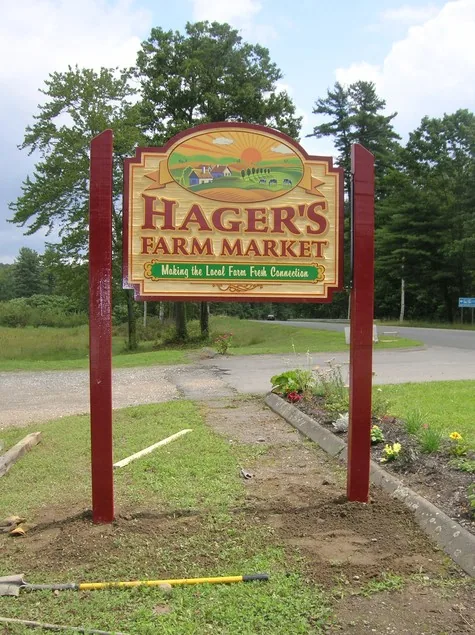
Hagars Farm MarketSandblasted Signs
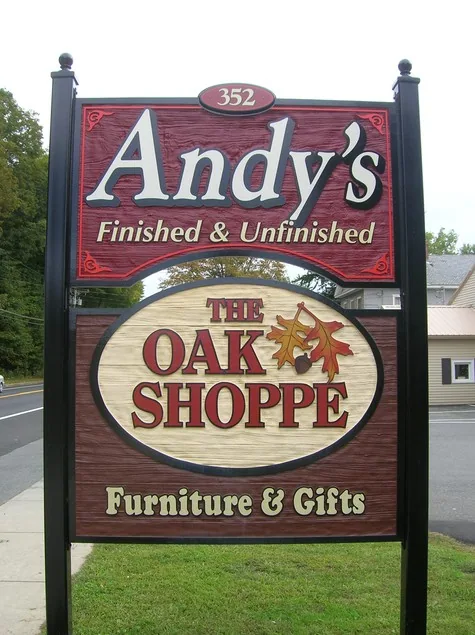 Andys and The Oak ShoppeSandblasted Signs
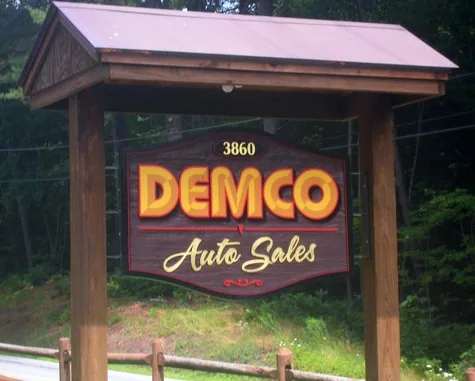 Demco Auto SalesSandblasted Signs
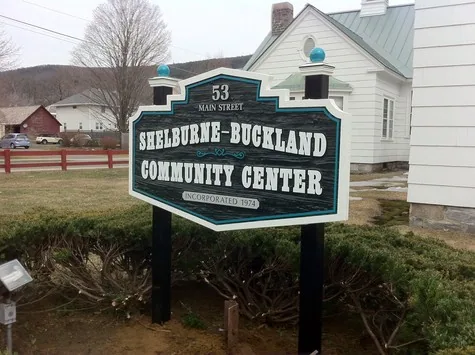 Shelburne Buckland Community CenterSandblasted Signs
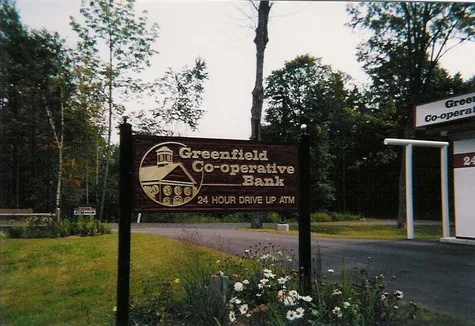 Greenfield Cooperative BankSandblasted Signs
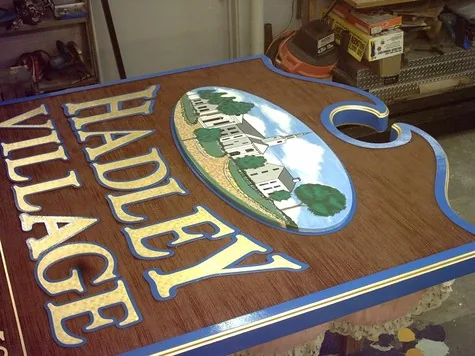 Hadley Village CondominiumsSandblasted Signs
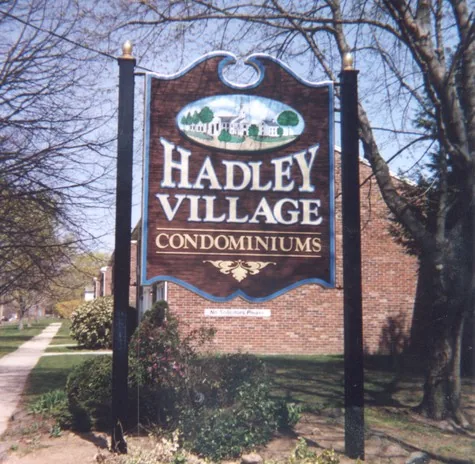 Hadley Village CondominiumsSandblasted Signs
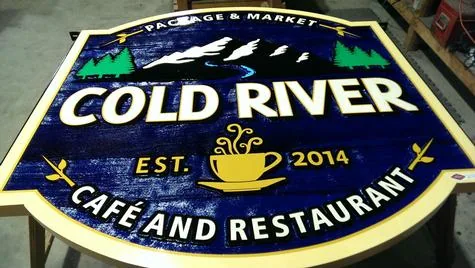 Cold River Cafe RestaurantSandblasted Signs
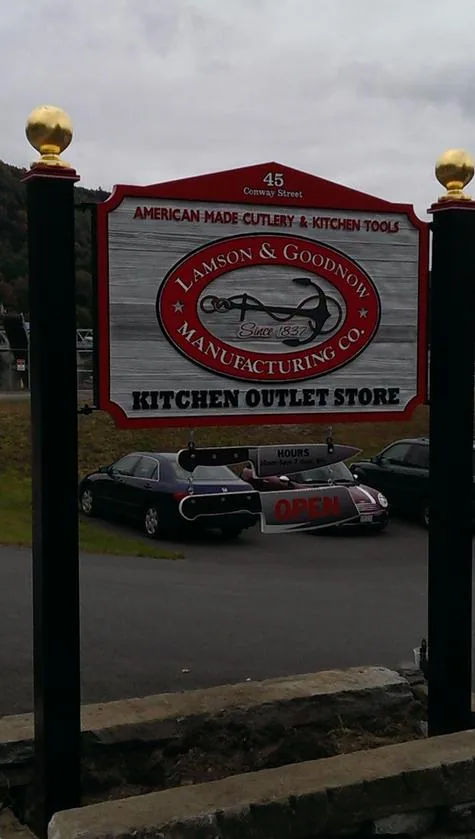 Sandblasted SignsSandblasted Signs
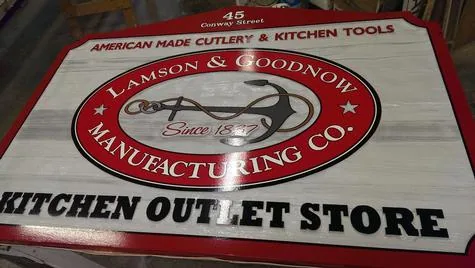 Sandblasted SignsSandblasted Signs
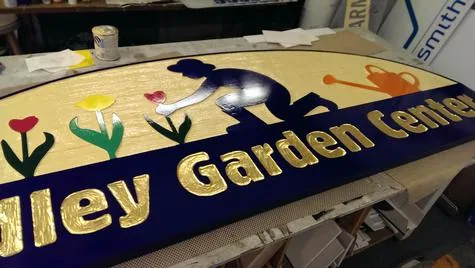 Sandblasted SignsSandblasted Signs
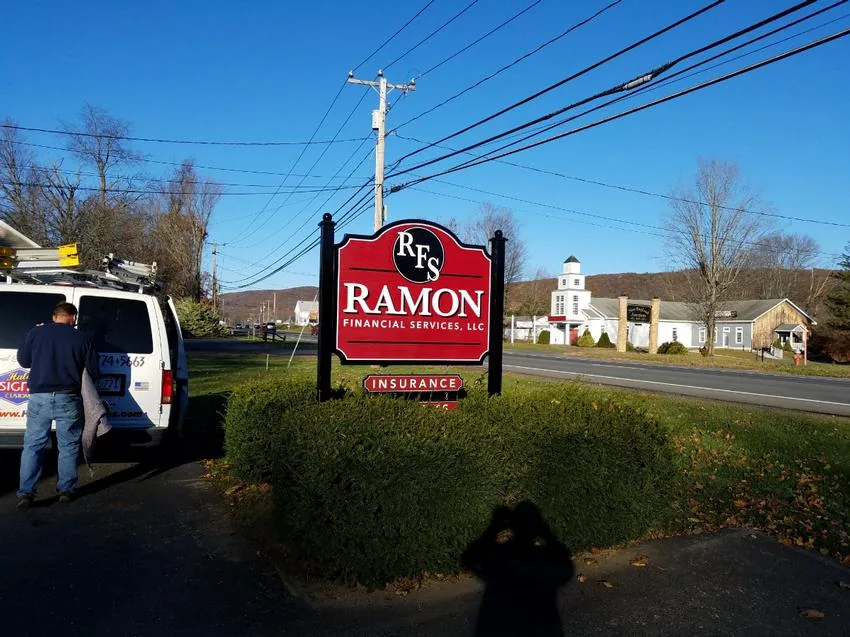 Sandblasted SignsSandblasted Signs
No projects in this category yet.
Ready to talk about your sandblasted signs?
Google reviews
Reviews from this kind of job
Placeholder content. No verified Google reviews were available when this site was built, so the cards below use sample text and generic names. They are not real customer feedback, and no review structured data is published. See REVIEWS-SETUP.md to connect the live Google Business Profile.
Common questions
Sandblasted FAQs
Carving cuts letters into or out of the material with a router or by hand. Sandblasting removes the background around a masked area, so the copy is left standing. They are often combined — a blasted background with carved, gilded lettering is one of the best-looking combinations there is.
HDU, comfortably. Cedar is beautiful and genuinely wood, but it moves with moisture, can check, and eventually rots. HDU holds a blasted texture indefinitely and does not care about weather. We use cedar when the material itself matters to the project.
Typically an eighth to a quarter of an inch, depending on the panel size and how far away it needs to read. Deeper relief throws a stronger shadow, which is what makes the copy legible from a distance in flat light.
Yes, and it is worth doing rather than replacing. Because the relief is physical, a repaint restores the sign completely — the texture and the letterforms are still exactly where they were. We repaint blasted signs regularly, including ones we built decades ago.
You might also need
Related services
Carved & Gold Leaf Signs
Carved wood and HDU signs finished in genuine 23-karat gold leaf.
Learn more
Post & Panel Signs
Freestanding roadside signs on wood, aluminium or ornamental posts — built to stand through a New England winter.
Learn more
Installation, Service & Repairs
Installs, re-lamping, repairs and maintenance — including signs we did not build.
Learn more
Ready when you are
Let’s price your sandblasted
Send us the dimensions, the location and anything you have already sketched. We will come back with a real number.